Source Plastic Fork for Household, Car, and Hardware Uses
Compare 30 listings for Plastic Fork options including injection molded designs and eco-friendly features. Buyers can evaluate specifications like PA66+GF material, FDA and LFGB certifications, and customization availability for various applications.
Key considerations
Products List


Comprehensive Sourcing Guide
Plastic Fork Sourcing Guide
Sourcing plastic forks requires a nuanced understanding of the divergent manufacturing pathways available in the global market. Buyers must first distinguish between disposable cutlery intended for single-use food service and durable plastic components designed for industrial or household applications. The supply chain for these items is fragmented, with some suppliers focusing on high-volume, low-cost injection-molded disposables made from thermoplastics like polypropylene, while others specialize in high-performance engineering plastics such as PA66+GF for specialized hardware or appliance parts. This distinction dictates everything from material selection to certification requirements, making it essential for procurement teams to clearly define their end-use case before engaging with potential vendors.
The observed market signals indicate a wide variance in product attributes, ranging from eco-friendly, biodegradable options to heavy-duty, multi-cavity molded parts. Listings frequently highlight features such as "Eco-Friendly," "Disposable," and "Biodegradable," suggesting a strong market trend toward sustainable materials like PLA. However, other listings describe products with technical specifications typical of industrial components, including "Injection Molding," "Hot Runner" systems, and "Multi Cavity" molds. This duality means that a buyer searching for "Plastic Fork" may encounter everything from elegant serving utensils to structural plastic parts, necessitating rigorous filtering and specification verification to ensure alignment with procurement goals.
Product Scope and Observed Listing Signals
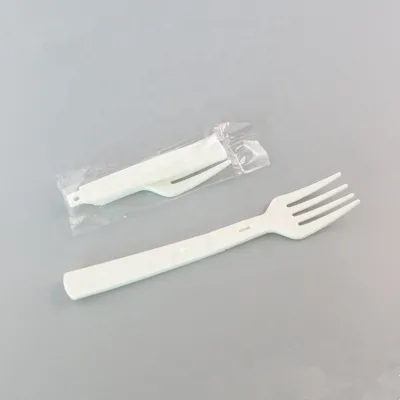
The product scope for plastic forks spans multiple categories, primarily divided into consumer-grade disposable cutlery and industrial-grade plastic components. Consumer listings often emphasize aesthetic and functional attributes such as "Chinese" or "Western" styles, "Hand-Painted" finishes, and specific weights like "5g/pcs." These products are typically marketed for household use, catering, or electronic accessory packaging, with certifications like FDA, CE/EU, and LFGB ensuring food safety compliance. The presence of terms like "Plastic Spoon Fork" and "Elegant Plastic Cutlery" further clarifies that a significant portion of the market is dedicated to traditional dining utensils that prioritize user experience and visual appeal over industrial durability.
Conversely, a subset of listings points toward a more technical application of plastic molding, where the "fork" terminology may refer to structural components or specialized parts rather than dining utensils. These entries highlight advanced manufacturing capabilities such as "Ug" design software, "Dme" standards, and "Ts16949" certification, which are typically associated with automotive or hardware industries. Attributes like "PA66+GF" material, "Compound Die" processes, and "Hot Runner" systems suggest high-strength, precision-engineered parts. Buyers must carefully scrutinize these listings to determine if the product is a genuine dining fork or a plastic component with a fork-like geometry used in appliances, furniture, or hardware assemblies, as the sourcing strategies for these two categories are fundamentally different.
Technical Specifications to Verify
Material composition is the most critical technical specification to verify, as it directly impacts the product's performance, safety, and environmental impact. For disposable cutlery, buyers should confirm whether the material is a standard thermosoftening plastic like polypropylene or a biodegradable alternative such as PLA. The presence of "PA66+GF" in some listings indicates a glass-fiber-reinforced nylon, which is unsuitable for food contact but ideal for high-stress industrial applications. Procurement teams must request material data sheets to verify the exact polymer type, ensuring it aligns with the intended use case, whether it is for compostable waste streams or for durable mechanical parts that require high tensile strength and heat resistance.
Manufacturing processes and mold configurations also play a pivotal role in determining the quality and cost of the final product. Buyers should inquire about the molding method, with "Injection Molding" being the standard for both disposable and durable plastic forks. The number of cavities in the mold, described as "Multi Cavity" in some listings, directly influences production speed and unit cost. Additionally, the runner system, such as "Hot Runner," affects material waste and cycle time. For products requiring specific surface finishes, such as "Polishing" or "Hand-Painted" details, buyers must verify the consistency of these processes across large production runs to ensure uniform quality and aesthetic appeal in the final shipment.
Compliance and Safety Documentation
Food contact safety is paramount for any Plastic Fork intended for dining or food service applications. Buyers must verify that suppliers hold valid certifications from recognized authorities, such as FDA (US), CE/EU (Europe), LFGB (Germany), and CIQ (China). These certifications ensure that the plastic materials do not leach harmful substances into food under normal use conditions. It is crucial to request current, valid certificates for each batch or production line, as regulatory compliance can vary by region and product type. For products marketed as "Eco-Friendly" or "Biodegradable," buyers should also seek documentation that verifies compostability standards, although specific numerical ranges or ASTM standards should be confirmed directly with the supplier rather than assumed.
For industrial or non-food-grade plastic components, compliance shifts toward quality management and industry-specific standards. Listings mentioning "Ts16949" certification indicate adherence to automotive quality management systems, which is essential for suppliers providing parts to the automotive or hardware sectors. Additionally, standards like "Dme" for mold components suggest a level of precision and interoperability required in industrial manufacturing. Buyers should request audit reports or quality manuals to verify that the supplier’s quality management system is robust and capable of maintaining consistent product specifications, particularly for parts that undergo rigorous mechanical testing or are used in safety-critical applications.
Cost Drivers and Commercial Terms
The cost of plastic forks is influenced by several key factors, including material type, order volume, and customization requirements. Standard thermoplastics like polypropylene are generally more cost-effective than biodegradable alternatives such as PLA, which may carry a premium due to higher raw material costs and specialized processing requirements. Customization, such as "Custom Size," "Hand-Painted" designs, or specific "Style" variations, adds to the unit price due to the need for dedicated molds or additional labor. Buyers should negotiate pricing based on tiered volume discounts, as the observed MOQ ranges from 1 to 1,000,000 units, allowing for flexibility in initial trial orders versus large-scale production runs.
Packaging and logistics also contribute significantly to the total landed cost. Suppliers offer various packaging options, including "Cardboard Box," "Carton," "Steel Box," and "Bundle/Bag/Carton/Master Carton/Pallet." The choice of packaging affects storage efficiency, shipping volume, and product protection during transit. For fragile or high-value items, more robust packaging like "Steel Box" may be necessary, increasing costs. Buyers should clarify Incoterms and shipping arrangements to understand who bears the risk and cost of transportation. Additionally, lead times for custom samples, noted as "3-5 Days," should be factored into the procurement timeline, especially for projects requiring rapid prototyping or urgent replenishment of stock.
Supplier Qualification and Quality Control
Supplier qualification begins with a thorough assessment of their manufacturing capabilities and quality control processes. Buyers should verify that the supplier has the necessary equipment for "Injection Molding," including "Multi Cavity" molds and "Hot Runner" systems, which indicate high production efficiency. For custom projects, the use of "Ug" design software suggests a capability for precise engineering and rapid prototyping. It is advisable to request factory audits or virtual tours to inspect the production floor, ensuring that the facility maintains cleanliness and order, particularly for food-grade products where contamination risks must be minimized.
Quality control measures should be explicitly defined in the purchase agreement. Buyers should establish clear acceptance criteria for dimensions, weight, and surface finish, such as "Polishing" or "Hand-Painted" details. For disposable cutlery, visual inspections for defects like flash, warping, or discoloration are essential. For industrial parts, dimensional accuracy and material strength tests may be required. Suppliers should provide a quality assurance plan that includes in-process inspections and final random sampling. Buyers should also discuss the protocol for handling non-conforming products, including return policies and replacement procedures, to mitigate the risk of receiving substandard goods.
Long-Term Procurement Checks
Sustainable sourcing practices are increasingly important for long-term procurement strategies, especially for products marketed as "Eco-Friendly," "Biodegradable," or "Compostable." Buyers should regularly review their suppliers' environmental policies and verify the authenticity of their sustainability claims. This may involve requesting third-party verification of compostability standards or assessing the supplier's efforts to reduce waste and energy consumption during production. Aligning with suppliers who prioritize sustainability can enhance brand reputation and meet growing consumer demand for environmentally responsible products.
Continuous monitoring of supplier performance is essential to maintain supply chain resilience. Buyers should track key performance indicators such as on-time delivery, product quality consistency, and responsiveness to issues. Regular communication with suppliers can help identify potential disruptions, such as raw material shortages or regulatory changes, allowing for proactive mitigation strategies. Additionally, buyers should stay informed about market trends and technological advancements in plastic molding, such as new biodegradable materials or more efficient molding techniques, to ensure their sourcing strategy remains competitive and cost-effective over time.
FAQs
What certifications do the plastic forks have?
The plastic forks hold FDA, CE, LFGB, CIQ, and EEC certifications. Some listings also include Ts16949 certification for automotive applications. These standards ensure safety for food contact and compliance with international regulations.
Can I request custom designs for these plastic forks?
Yes, customization is available for these plastic forks. Buyers can request specific styles like Chinese or Western designs. Custom samples typically require 3 to 5 days for production before full manufacturing begins.
What material is used to make these plastic forks?
These forks are made from PA66+GF thermosoftening plastic. The material is processed using injection molding with a hot runner system. This combination ensures durability and suitability for various applications including household and hardware use.
How are the plastic forks packaged for shipment?
Packaging options include cardboard boxes, steel boxes, cartons, and master cartons on pallets. Some items are also bundled in bags. The specific packing method depends on the order quantity and product model selected by the buyer.
What is the origin of these Plastic Fork products?
The products originate from China. They are manufactured using advanced design software like Ug and feature multi-cavity molds. The production process includes polishing and compound die techniques to ensure high-quality finishes.
Are these plastic forks suitable for eco-friendly applications?
Yes, the products are marketed as eco-friendly, disposable, biodegradable, compostable, and recyclable. They are designed to meet modern sustainability requirements while maintaining the strength needed for serving food and beverages effectively.